Man with van vs full removals in Wanstead: which to pick?
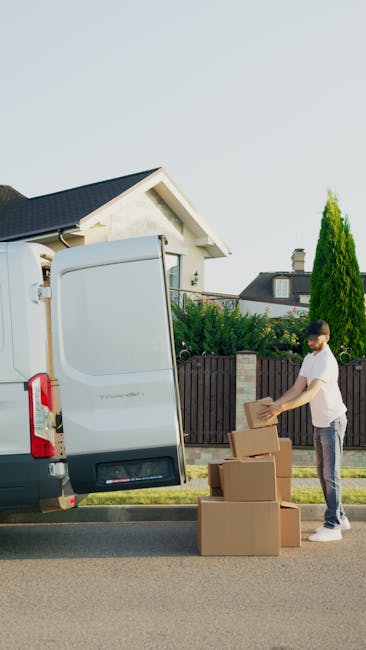
Choosing between a man with van and a full removals service in Wanstead sounds simple enough, until you start thinking about the stairs, the parking, the awkward wardrobe that only just fit in the flat in the first place, and the fact that you really do not want the move to drag on all day. That is exactly why Man with van vs full removals in Wanstead: which to pick? is such a practical question, not just a price comparison.
In Wanstead, the right choice often comes down to the shape of your move, not just the amount of stuff. Are you shifting a few items across East London? Downsizing from a family house? Moving from a third-floor flat near the high street with a narrow stairwell and a parking headache? This guide breaks down how each option works, what you get for your money, and when one service is clearly the smarter call. A little clarity goes a long way here.
Quick takeaway: choose a man with van for smaller, lighter, more flexible moves; choose full removals when you need a larger team, more packing support, heavier furniture handling, or less stress on the day.
- Why this choice matters in Wanstead
- How each moving option works
- Key benefits and practical advantages
- Who each service suits best
- How to decide step by step
- Expert tips for a smoother move
- Common mistakes to avoid
- Tools, resources and recommendations
- Compliance and best practice
- Comparison table
- Real-world example
- Practical checklist
- Frequently asked questions
Why Man with van vs full removals in Wanstead: which to pick? Matters
It matters because moving is one of those jobs where the wrong choice becomes obvious halfway through. If you go too small, you may end up with multiple trips, extra handling, and a tired afternoon that starts to feel very long indeed. Go too large, and you may pay for capacity you never really needed.
Wanstead has its own moving quirks. Streets can be tight. Parking can be fiddly. Some homes have sharp stair turns, shared entrances, or limited loading space. That means the right moving method is not just about volume, but about access, timing, and how much lifting you want to do yourself. Truth be told, the move itself is only half the story; the logistics around it are where most people either save money or lose patience.
A man with van service usually suits smaller-scale moves, single-room relocations, furniture collection, or people who are happy to do some of the loading and packing. A full removals team is designed for bigger home moves, more fragile belongings, and jobs where speed, protection, and coordination matter more than keeping the budget ultra-tight.
There is also peace of mind to think about. If you have a large sofa, a piano, valuable items, or a house full of boxes, a full removals crew brings more hands, more equipment, and usually a more structured process. That can reduce stress in a way that is hard to put a number on until you are standing in the hallway at 8:30 in the morning wondering where the kettle went.
How Man with van vs full removals in Wanstead: which to pick? Works
At a practical level, both services move your belongings from A to B. The difference is in scale, support, and responsibility.
A man with van service is typically one driver, sometimes with an extra helper, plus a suitable vehicle. It is often priced by time, load size, mileage, or a combination of those factors. You may be expected to help with loading, unloading, or carrying smaller items from the property. Some jobs are smooth and quick; others turn into a bit of a workout, which is fine if you planned for it.
A full removals service usually includes a team, a larger vehicle or vehicles, and a broader set of moving tasks. Depending on the provider, that may include dismantling furniture, wrapping fragile items, protective blankets, careful loading, and coordinated unloading into the right rooms. Many customers choose this route when they want less physical effort and a more managed experience.
In Wanstead, the deciding factor is often access. A smaller van can be easier to park near the property, especially if the street is busy or space is limited. A larger removals vehicle may be more efficient for a whole-house move, but it can require more planning for parking, loading bays, and timing. That is where local know-how really helps.
Some moves sit in the middle. Perhaps you are moving from a one-bedroom flat but have a lot of heavy furniture. Or maybe you are relocating a studio but also need packing help. In those cases, it is worth comparing the exact scope rather than assuming the smaller service is always cheaper. A cheaper quote that takes twice as long is not really a bargain, is it?
Key Benefits and Practical Advantages
Both options have genuine strengths. The better choice depends on what matters most to you on the day.
Why people choose a man with van
- Lower cost for smaller jobs: Ideal for a few items, light furniture, or short-distance moves.
- Flexible timing: Often easier to book at short notice, especially for smaller moves.
- More nimble in tight streets: A smaller vehicle can be easier around residential roads and awkward parking.
- Good for partial moves: Useful when you are not relocating everything at once.
Why people choose full removals
- Less lifting for you: A team can handle the heavy work.
- Better for fragile or bulky items: More people and better equipment usually mean safer handling.
- Faster for larger homes: A team can load and unload much more efficiently.
- More structured process: Often includes wrapping, planning, and room-by-room unloading.
The real advantage is not just speed or cost. It is fit. A service that matches the size and complexity of your move will usually feel smoother from the first phone call to the last box being carried in. That is especially true in Wanstead, where the difference between a neat, organised move and a frustrating one can come down to one missed detail: a parking spot, a narrow stairwell, or one very heavy chest of drawers.
Practical insight: if your move includes stairs, awkward corners, or multiple heavy items, the value of full removals often shows up in the reduced risk of damage and delay. The cheapest option is not always the most economical once you factor in your time and energy.
Who This Is For and When It Makes Sense
If you are trying to decide quickly, start with the kind of move you are doing.
Choose a man with van if you are:
- moving a small flat or studio
- transporting one or two pieces of furniture
- moving a few boxes between addresses
- collecting a sofa, bed, or appliance
- working to a tighter budget
- happy to help with loading and unloading
Choose full removals if you are:
- moving a family home or larger property
- carrying lots of furniture or fragile possessions
- wanting packing help as well as transport
- trying to minimise stress on moving day
- dealing with difficult access, stairs, or heavy items
- moving long-distance or on a tight schedule
There is a middle ground too. If you are a tenant leaving a flat in Wanstead and only have a manageable amount of belongings, a man with van can work beautifully. If you are a homeowner with years of accumulated furniture, books, and the odd cupboard full of things you forgot you owned, a full removals team will probably feel like the saner option. Let's face it, moving always uncovers a few surprises.
It also makes sense to think about your own energy and availability. If you work full-time, have children to manage, or simply do not fancy spending the day carrying boxes up and down stairs, a bigger service may be worth the extra spend. You are not just paying for transport. You are paying for headspace.
Step-by-Step Guidance
Here is a simple way to choose without overthinking it.
- List everything you need to move. Be honest. Include furniture, boxes, awkward items, and anything stored in cupboards or loft space.
- Estimate the volume. A small flat move is very different from a two- or three-bedroom household move.
- Check the access at both addresses. Look at stairs, lifts, parking, narrow entrances, and how close the vehicle can get.
- Decide how much lifting you can realistically do. If you want less physical work, that pushes you toward full removals.
- Think about timing. If you need the move done quickly, a team can save a lot of time.
- Ask what is included in the quote. Packaging materials, dismantling, waiting time, and extra helpers can all change the final cost.
- Compare like with like. Make sure one quote is not excluding services the other includes.
- Choose the service that matches the real job, not the optimistic version of it. Most move stress begins with underestimating how much there is to do.
A useful trick: picture the move at 3 p.m., not at the beginning of the day. Will you still be comfortable carrying boxes? Will there be enough space in the van? Are you likely to need extra help because the weather turns wet or the parking situation changes? This little mental rehearsal catches problems early.
If you are moving within or near Wanstead and want a broader service overview, it can also help to look at general removal services and compare them with more specific options such as man with van or house removals. That makes the decision less abstract and more grounded in your actual move.
Expert Tips for Better Results
Here is where a little experience saves a lot of hassle.
1. Match the vehicle to the real load
People often focus on the number of boxes and forget the awkward stuff. A mattress, wardrobe, dining table, or piano changes the picture quickly. A van can look big until you try to fit a bulky sofa and a dismantled bed frame in the same load. One trip becomes two, and the day gets longer.
2. Be clear about access
If the property has a narrow stairwell, shared entrance, or limited parking, say so early. In Wanstead, that kind of detail matters more than people expect. It can affect the vehicle size, the number of movers needed, and how long the job takes.
3. Pack in a way that saves time later
Label boxes by room, keep essentials separate, and do not overfill heavy boxes. You do not want a box of books that feels like it has concrete in it. That joke stops being funny on the second landing.
4. Protect items that matter
Use covers, blankets, and proper wrapping for delicate furniture. If you have antiques, glass, or sentimental items, extra protection is worth it. The same goes for white goods and anything with awkward edges that can catch on walls or banisters.
5. Plan around parking and timing
If your move needs a larger vehicle, factor in parking and any local restrictions. A delayed vehicle arrival can disrupt the whole day. Early start times are often calmer, and mornings usually have a better rhythm for moving. By late afternoon, everyone is a bit more tired and a bit less patient.
Another practical tip: if you are torn between the two options, ask whether the provider can offer a lighter service now and a fuller move later. That can work well if you are splitting your move into stages, especially in a busy local area where timing matters.
Common Mistakes to Avoid
Most moving problems are not dramatic. They are just small misjudgements that snowball.
- Choosing on price alone: The lowest quote may leave out loading help, waiting time, or protective handling.
- Underestimating volume: People often forget garages, sheds, lofts, or the back of cupboards.
- Ignoring access issues: A difficult staircase or poor parking can change the whole move.
- Not checking what the service includes: Packing, wrapping, and dismantling may be extra.
- Leaving fragile items until the last minute: That is where rushed packing leads to damage.
- Assuming a smaller move is always a man with van job: Sometimes the furniture or access makes full removals the better choice.
One common Wanstead mistake is assuming that because the route is short, the move will be easy. Short distance helps, sure, but the real challenge is often the building itself. A one-mile move can still be a headache if the stairwell is tight and the parking is awkward. Distance is only one piece of the puzzle.
Another thing people do is leave sorting until moving day. That is a stressful move waiting to happen. If you clear out unwanted items first, the move becomes cleaner, cheaper, and less chaotic. A bit of pre-move discipline really pays off.
Tools, Resources and Recommendations
You do not need fancy tools to make a good decision, but a few simple things help enormously.
- Inventory list: Write down everything you are moving, room by room.
- Room measurements: Measure large items so you can judge whether they need dismantling.
- Photo notes: Pictures of awkward items, stairs, and entrances help when discussing the move.
- Box labels: Clear labels reduce confusion at the new property.
- Parking awareness: Check the practicalities for both addresses before move day.
If your move is part of a larger home reset, you may also find these related services useful: home moves for fuller household relocations, packing and unpacking services if you want help before and after the van arrives, and furniture pick up when the job is really about one or two bulky items rather than a whole house.
For people moving offices or a mixed home-and-work load, the picture changes again. In that case, commercial moves and office removals may be more relevant than a simple van hire-style solution. It is easy to miss that if you are focused on the furniture and not the function of the move.
Law, Compliance, Standards, or Best Practice
For most household moves, the main compliance concerns are practical rather than legal drama. You want a provider that operates safely, handles belongings with care, and communicates clearly about what is included. That sounds basic, but basic is good when the sofa is hanging halfway through a doorway.
In the UK, moving services should follow sensible safety practices, including safe lifting, vehicle loading, and care around fragile items. If the mover provides insurance or explains how items are protected in transit, that is a reassuring sign. It does not mean nothing can ever go wrong, but it does mean the operator has thought about risk in a proper way.
It is also wise to ask about:
- Insurance and cover: What protection is in place for goods in transit and handling?
- Parking and access planning: Has the route been thought through?
- Health and safety approach: Are heavy items moved safely and sensibly?
- Payment clarity: Is the quote transparent, with no vague extras appearing later?
If you are comparing services, the provider's policies can tell you a lot. Pages such as insurance and safety, health and safety policy, payment and security, and terms and conditions are the kind of detail that can help you judge how carefully a company works. Small print is not thrilling, admittedly, but it can save a lot of awkwardness later.
Best-practice note: if you have unusually heavy, valuable, or delicate items, raise them early. Good movers would rather know in advance than improvise on the doorstep.
Options, Methods, or Comparison Table
Here is a clear side-by-side comparison to help you choose without second-guessing yourself.
| Factor | Man with van | Full removals |
|---|---|---|
| Best for | Small moves, a few items, short trips | Whole-house moves, heavier or larger jobs |
| Team size | Usually one person, sometimes two | Usually a crew of movers |
| Cost profile | Often cheaper for smaller loads | Higher, but more included |
| Physical effort for you | Usually more involvement from you | Less lifting required |
| Packing support | Often limited or optional | More likely to include packing help |
| Speed on the day | Good for simple, smaller jobs | Better for bigger moves with many items |
| Suitability for fragile items | Depends on care and preparation | Usually better for delicate or high-value items |
| Access challenges | Can be easier with a smaller vehicle | Can handle more complexity if planned well |
If you are still unsure after looking at the table, the easiest rule is this: choose the option that reduces your biggest pain point. If that is cost, lean toward a man with van. If that is stress, time, or heavy lifting, full removals usually wins. Simple, but true.
Case Study or Real-World Example
Consider a typical Wanstead move: a couple leaving a one-bedroom flat near the station and moving a short distance away. They have a bed frame, mattress, small sofa, desk, TV, eight boxes, and a few kitchen items. They are both working during the week and only have a narrow window on a Saturday morning.
At first glance, a man with van looks like the obvious choice. And for that size of move, it probably is. The couple can pack in advance, disconnect their own electronics, and help with lighter boxes. A smaller vehicle is easier to position, and the job can be completed efficiently if the access is straightforward.
Now change the scenario slightly. The couple also has a large wardrobe, several heavy bookcases, a dining table that will need dismantling, and a tricky third-floor walk-up with a tight turn on the stairs. Suddenly the maths changes. What looked like a quick, low-cost job now has more risk, more lifting, and more room for delay. A full removals team may cost more, but it can also make the day feel controlled rather than chaotic.
That is the pattern we see most often. The best option is rarely about the postcode alone. It is about the shape of the move. Wanstead simply adds local pressure points: parking, access, and the physical layout of the property. When you factor those in, the better decision usually becomes obvious.
Practical Checklist
Use this before you book anything.
- Have I listed every item I need to move?
- Do I know whether I will need help with loading and unloading?
- Have I checked stairs, lifts, parking, and access at both addresses?
- Do I have any bulky, fragile, or valuable items that need special handling?
- Is my move small enough for a man with van, or would full removals save time and stress?
- Have I asked what the quote includes and excludes?
- Do I need packing or unpacking support?
- Have I sorted out unwanted items before moving day?
- Do I know the move date, time window, and any building restrictions?
- Have I compared at least two realistic options rather than guessing?
If you can tick most of those off easily, you are in a good position. If not, take a breath and tighten up the plan a little. It is usually the small details that make moving day feel calm instead of hectic.
Conclusion
So, Man with van vs full removals in Wanstead: which to pick? The answer comes down to scale, access, effort, and how much help you want on the day. A man with van is often ideal for smaller, simpler moves, especially when you want flexibility and value. Full removals makes more sense when the job is bigger, the access is difficult, or you want a smoother, less hands-on experience.
The best move is the one that matches the reality of your belongings, your building, and your timetable. Not the hopeful version. Not the optimistic version. The real one. If you get that right, everything else tends to fall into place a bit more neatly.
For a transparent start, compare your options carefully and choose the service that fits your actual moving day, not just your first instinct. It can make all the difference when the boxes start stacking up and the kettle is still in the van. And honestly, a calmer move is a lovely thing.
Get a free quote today and see how much you can save.
Frequently Asked Questions
Is a man with van enough for a one-bedroom flat in Wanstead?
Often, yes. If you have a modest amount of furniture, a manageable number of boxes, and straightforward access, a man with van can be a very sensible choice. If you have heavy or awkward items, you may want to step up to a fuller removals service.
When is full removals better than a man with van?
Full removals is usually better when the move is larger, more complex, or more time-sensitive. It is also a strong option if you want less lifting, more packing support, or help with bulky furniture and fragile items.
Is a man with van cheaper than full removals?
Usually, yes, for smaller jobs. But cost depends on what is included. If a man with van quote leaves you doing more labour yourself, or if the move takes longer because of access issues, the savings may be smaller than you expect.
How do I know which option suits my move?
Start with volume, access, and how much help you need. If it is a small, simple move and you are happy to assist, a man with van may fit. If the move is bigger, heavier, or more stressful to manage, full removals is often the safer bet.
Do I need to pack everything myself?
Not always. Some services offer packing and unpacking support, especially with full removals. If you want help before and after the move, ask what is available and whether it is included or charged separately.
Can a man with van handle stairs and awkward access?
Yes, but it depends on the load, the property layout, and how much lifting is involved. If the stairs are tight or the furniture is heavy, a larger team may be more efficient and less risky.
What should I ask before booking a moving service?
Ask what the quote includes, whether there is help with loading and unloading, what insurance or cover is in place, and how they handle parking or access problems. Clear questions lead to fewer surprises. Nice and boring, which is exactly what you want.
Is full removals worth it for a short local move?
Sometimes, yes. Distance is only one factor. If the items are heavy, the stairs are awkward, or you want the move handled quickly and professionally, full removals may still be the better option.
What if I only have one or two bulky items?
That often points to a man with van or a furniture-focused service. For single-item jobs, it can be more practical than booking a large removals team. The key is to make sure the item will fit safely and can be loaded without damage.
How far in advance should I book?
As early as you can, especially if you are moving at a busy time of month or need a specific slot. Smaller jobs can sometimes be arranged quickly, but planning ahead usually gives you more choice and less last-minute pressure.
Can I split the move between a man with van and full removals?
Yes, in some cases that works well. For example, you might use a van for smaller items and book a fuller service for the main household move. It is a practical approach if you are staging the move in phases.
What is the biggest mistake people make when choosing?
The biggest mistake is underestimating the job. People focus on the distance and forget the stairs, parking, heavy furniture, and how much time they want to spend lifting. A realistic assessment saves a lot of trouble later.