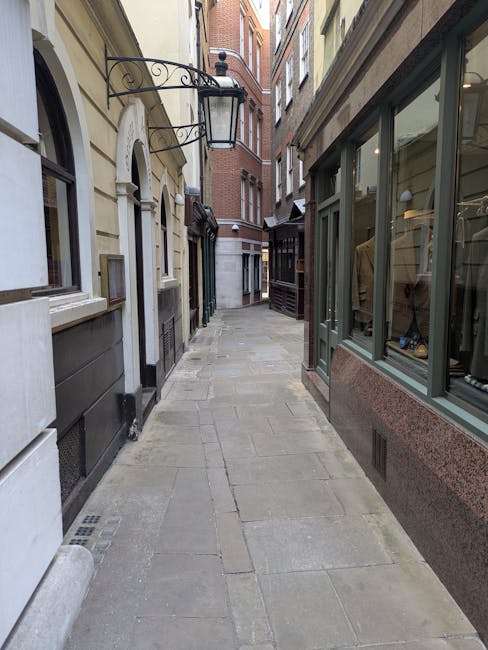
Aldersbrook Estate moves: navigating narrow lanes
Posted on 23/05/2026
Moving home in Aldersbrook Estate sounds straightforward until you meet the lanes. Tight access, parked cars, awkward corners, and the slow realisation that a standard moving day plan may not quite fit the street. That is where Aldersbrook Estate moves: navigating narrow lanes becomes less of a phrase and more of a very practical challenge.
If you are planning a house move, flat move, or even a partial furniture relocation in the area, the details matter. The route to the front door, the width of the pavement, where the van can stop, whether you need to carry items a longer distance than expected - all of that changes the job. This guide breaks the process down in plain English, with practical steps, realistic expectations, and a few hard-won tips that can save time, stress, and sore shoulders. Truth be told, it is the small details that usually make or break a move here.
Why Aldersbrook Estate moves: navigating narrow lanes Matters
Narrow lanes change everything about a removal. On paper, a move is a simple sequence: arrive, load, travel, unload. In Aldersbrook Estate, though, the path between those steps is where the work happens. If the van cannot park directly outside, or only has a short window to stop safely, the team may need to use trolleys, carry furniture over a longer distance, or split the load into smaller runs.
That is why local knowledge matters. A removal that would be routine on a wide road can become slow and awkward when the street is tight, busy, or lined with parked vehicles. A sofa that looked perfectly manageable in the living room can suddenly feel like an oversized puzzle in a narrow passage. If you have ever stood in a hallway wondering how the wardrobe is going to make that turn... yes, that moment.
For residents, the goal is not just moving items from A to B. It is protecting walls, avoiding damage to belongings, keeping neighbours happy, and staying within the practical limits of the street. A thoughtful approach helps prevent blocked access, last-minute delays, and unnecessary lifting. It also makes it easier to plan the right service, whether that is a house removals service in Wanstead, a smaller man and van option, or something more tailored.
Key point: narrow-lane moves are not necessarily difficult, but they are less forgiving. Good planning buys you breathing room.
How Aldersbrook Estate moves: navigating narrow lanes Works
The practical process usually starts before the moving van arrives. A good removal plan for Aldersbrook Estate considers access first, not last. That means looking at the route, estimating how far items may need to be carried, and deciding whether the vehicle should be smaller than usual.
In many cases, the move works in stages:
- Pre-move access check. Someone assesses the lane width, turning room, and likely parking position.
- Load planning. Heavier or bulky items are grouped so they can be handled efficiently rather than repeatedly shifted.
- Entry and exit protection. Floor runners, corner guards, and blankets reduce the risk of scrapes in tight hallways or on stairs.
- Careful loading strategy. The van is loaded in a way that minimises rehandling, which matters even more when carrying distances are longer.
- Timed unloading. If the lane is busy, unloading may need to be done in a sequence that keeps the street clear and safe.
In other words, the move is adapted around the street, not forced through it. That is the difference between a smooth day and one that feels like a relay race with a wardrobe.
For larger furniture, specialised handling helps. Items such as beds, mattresses, wardrobes, and pianos need more than enthusiasm; they need technique. Our guide on moving beds and mattresses with ease is a useful companion for anyone trying to cut down the awkwardness of bulky pieces. Likewise, if you are relocating a lounge setup or storing furniture, the article on protecting sofas for storage offers practical handling advice.
Key Benefits and Practical Advantages
There is a real upside to planning carefully for narrow-lane removals. The benefits are not abstract; they show up in reduced stress, fewer delays, and less damage risk on the day.
- Lower chance of property damage. Tight corners and restricted access often cause the dings and scuffs people regret later.
- Better time control. If the team already knows where the van will stop and how items will be carried, the day runs far more predictably.
- Safer lifting. You do not want people improvising with heavy items in awkward spaces. That is how backs complain, loudly.
- Less neighbour disruption. Good planning helps keep entrances clear and avoids frustrating everyone on the street.
- More suitable vehicle choice. Sometimes a smaller vehicle or a flexible removal van in Wanstead is simply the smarter option.
Another often overlooked benefit is emotional. A move feels easier when you can picture the whole process. It is calmer. You stop guessing. That alone can be worth a lot on moving day, especially if you are juggling keys, children, pets, and the general chaos of a London move.
If you are trying to simplify the broader move as well, this guide to streamlining a house move is worth reading alongside this one. It helps connect the access planning with the wider move timeline.
Who This Is For and When It Makes Sense
This kind of planning makes sense for far more people than you might think. It is not just for large family houses or complicated full-property moves.
You will especially benefit if you are:
- moving from a terraced or semi-detached property with limited frontage
- living on a road where parking is tight or shared
- moving larger furniture such as wardrobes, sofas, beds, or appliances
- relocating from a flat where stairs or entryways are narrow
- booking a same-day move and need the day to run with fewer surprises
- comparing different removal services in Wanstead and want a realistic access-friendly option
It is also a sensible approach for students, first-time movers, and anyone downsizing who wants less fuss. In fact, a smaller, smarter move often works better than trying to do everything in one big burst. That is especially true if access is tight and you are only shifting a few key items.
For flats and compact properties, the topic overlaps with flat removals in Wanstead, where access planning is often just as important as load size. If you are moving for work, the same logic applies to office removals too.
Step-by-Step Guidance
Here is a practical way to approach a narrow-lane move without overcomplicating it. Think of it as a working checklist you can actually use, not one of those dreamy lists that looks lovely and helps nobody.
1. Measure the access points
Check gate widths, hallway widths, stair turns, and any bend or pinch point the furniture must pass through. A tape measure is enough for most homes. If your sofa barely clears the living room door, you want to know before moving day, not during it.
2. Identify the vehicle stopping point
Look at where a van can reasonably pause without blocking the lane. The ideal spot may not be directly outside the door. That is fine. The important thing is knowing the likely carrying distance so the team can plan manpower and equipment.
3. Sort items by difficulty
Separate straightforward boxes from bulky or fragile pieces. Heavy items, odd-shaped furniture, and anything with delicate surfaces should be handled with extra care. If needed, break down furniture in advance. A desk that comes apart in ten minutes can save thirty minutes of awkward carrying.
4. Pack for faster handling
Label boxes clearly and keep weight manageable. Use solid packing materials so boxes do not collapse mid-carry. If you want a deeper look at making this part easier, these packing hacks for a seamless move are genuinely helpful.
5. Protect the route inside the property
Use coverings where necessary, especially if furniture has to pass through a narrow hallway or over a polished floor. This is not overkill. It is sensible. A tiny scuff can look huge in a freshly cleared room.
6. Decide what should be moved separately
Some items are better handled as standalone pieces. Pianos, large freezers, and oversized wardrobes are classic examples. A piano, for instance, is not the sort of object you casually "just shift". The article on why piano moving should not be a solo job explains the risk very clearly.
7. Keep the day flexible
In narrow lanes, a little flexibility goes a long way. Parking might change. The lift path might be longer than expected. Someone may need to wait while another vehicle passes. That is just real life in a busy residential estate.
Expert Tips for Better Results
A few small choices can make a noticeable difference. Not dramatic, just better. Sometimes much better.
- Use smaller loads. Fewer oversized boxes are easier to carry and less likely to split.
- Leave a clear staging area. A tidy hallway or front room gives the crew space to turn, sort, and work safely.
- Disassemble what you reasonably can. Bed frames, table legs, and shelving often travel more safely in pieces.
- Wrap protruding corners. Door frames and furniture edges take the most abuse in narrow spaces.
- Move the smallest items first if access is tight. It creates breathing space and prevents the route from becoming cluttered.
- Check your lift and stair strategy. If there is no lift, that affects energy, timing, and item order.
There is also a mindset tip: do not treat the move like a test of strength. It is a logistics job. The clever move is the one that uses planning, not just muscle. If you want to understand safe lifting better, have a look at the basics of kinetic lifting and how to lift heavy objects alone with confidence. They are useful reads even if you expect to work with help.
Expert summary: In narrow lanes, success usually comes from reducing friction at every step - fewer oversized loads, clearer access, and more precise planning.

Common Mistakes to Avoid
Most moving problems in tight-access areas are avoidable. The patterns repeat, to be fair.
- Assuming the van can park right outside. It might not, and that changes the whole plan.
- Forgetting to measure furniture. "It should fit" is not a measurement.
- Overpacking boxes. Heavy boxes are harder to carry through awkward spaces and more likely to fail.
- Not telling the removal team about access issues. A surprise on arrival is the least helpful surprise.
- Leaving loose items in the route. Shoes, bins, baskets, and random bits of cable become tripping hazards very quickly.
- Ignoring fragile finishes. Narrow passages often mean contact points. Paint, glass, and polished wood need protection.
- Trying to move every item in one go. It sounds efficient. Usually it is not.
There is also a quieter mistake: underestimating the emotional strain. A move in a tight street feels more intense than a move with easy access. Once you accept that, you can prepare properly instead of fighting the layout all day.
Tools, Resources and Recommendations
You do not need a van full of specialist kit, but the right basics help a lot. A few sensible tools can make an awkward move feel manageable.
| Tool or Resource | What it Helps With | Why It Matters in Narrow Lanes |
|---|---|---|
| Measuring tape | Checking furniture and access widths | Prevents surprises at doors, gates, and stairs |
| Furniture blankets | Protecting surfaces | Reduces scrapes during longer carries |
| Straps and trolleys | Handling awkward items | Makes carrying safer and more controlled |
| Strong boxes and tape | Securing packed items | Stops boxes failing mid-route |
| Corner protectors | Protecting walls and frames | Useful where hallways and turns are tight |
For people who need more than a van on the day, it is worth looking at the range of local options. A flexible man with a van in Wanstead can suit smaller moves, while a fuller removals service may be better for whole-house relocations. If you are decluttering beforehand, streamlining your belongings before moving can reduce the load more than you might expect.
And if storage is part of the plan - maybe because you are moving in stages, or the new place is not quite ready - storage options in Wanstead can take some pressure off the day.
Law, Compliance, Standards, or Best Practice
For residential moves, the main concerns are safety, access, and care. There is no special legal rule unique to narrow-lane moves that applies in every case, but common UK best practice still matters a great deal.
For example, vehicles should not be parked or stopped in a way that creates unnecessary obstruction or unsafe conditions. Road layout, visibility, and local access considerations all matter. If a lane is especially restricted, the move should be planned with realistic loading and unloading points in mind rather than optimistic assumptions.
Good removal practice also means:
- handling items with due care to avoid damage
- protecting people from avoidable lifting strain
- keeping routes clear where possible
- using suitable equipment for heavy or awkward objects
- being transparent about access limitations before the move begins
If you are hiring a provider, it is sensible to check their insurance and safety information and review their health and safety policy. That is not box-ticking; it is basic peace of mind. You also want clear terms, so a quick look at the terms and conditions can be worth your time.
For a move involving fragile items, large furniture, or anything sentimental, the important standard is simple: use a method that reduces avoidable risk. Sensible beats heroic, every time.
Options, Methods, or Comparison Table
There is more than one way to handle a move in Aldersbrook Estate. The right choice depends on how much you are moving, how much access you have, and how hands-on you want to be.
| Option | Best For | Pros | Trade-Offs |
|---|---|---|---|
| Small van and manual carrying | Light moves, flats, partial loads | Flexible, often easier in narrow streets | May require more trips and carrying |
| Full removal service | Whole-house or larger moves | More support, better for bulky items | Needs more coordination and access planning |
| Split move with storage | Staged relocations or delayed handover | Reduces pressure on moving day | Extra handling and planning required |
| Same-day flexible move | Urgent or short-notice situations | Quick response, practical for last-minute changes | Less time for preparation, so access details must be clear |
Sometimes the simplest option is best. If the street is tight and you only have a handful of items, a smaller vehicle may be the smartest thing you can choose. For a bigger load, a full service with a crew that understands access problems is usually worth it. If speed is the deciding factor, same-day removals in Wanstead can be useful, provided the access details are shared early.
Case Study or Real-World Example
Imagine a typical move from a two-bedroom home on a narrow estate road in Aldersbrook. The owner has a dining table, a sofa, two beds, boxes of books, and a fridge freezer. On paper, it looks like a standard family move. In reality, the van cannot stop directly outside for long because the lane is tight and already partially parked up.
So the plan changes. The large items are identified first. The beds are dismantled, the table legs are removed, and the sofa is wrapped to protect the fabric during the carry. Boxes are kept at sensible weights so they can be moved safely by hand from the front door to the van, even if that means a slightly longer walk.
The crew arrives knowing the likely parking point, so there is no guessing. Items are taken out in the right order: boxes first to create space, then bulky furniture, then the fridge freezer last once the route is clear. The result? Fewer stops, less shuffling, and no frantic "wait, how are we getting that around the corner?" moment.
That kind of move usually feels calmer because the job is treated as access-led from the start. Not glamorous. Very effective.
Practical Checklist
Use this as a quick pre-move check for narrow lanes and tight access. If you only skim one section, make it this one.
- Measure doors, hallways, stairs, gates, and awkward corners
- Confirm where the van can stop safely and legally
- Tell the removal team about restricted access in advance
- Break down large furniture where possible
- Pack boxes to manageable weights
- Label fragile and priority items clearly
- Protect floors, walls, corners, and door frames
- Keep the access route free from loose clutter
- Prepare for longer carrying distances if needed
- Check whether storage is needed for part of the move
- Review the provider's safety and insurance information
- Keep keys, documents, and essentials separate and easy to reach
Quick reminder: a move goes more smoothly when the plan is built around the street, not the other way around.
Conclusion
Aldersbrook Estate moves are very doable, even with narrow lanes, but they reward good judgement. The best results usually come from honest access checks, realistic vehicle choice, careful packing, and a crew that understands how to work in tight residential streets without turning the day into a scramble.
If you are preparing a move now, focus on the basics first: measure, plan, reduce clutter, and choose the right service level for the access you actually have. That simple approach removes a lot of stress. And if a few details still feel uncertain, that is normal. Most people are juggling a dozen things at once during a move anyway.
Get a free quote today and see how much you can save.
With the right preparation, a tight street does not have to mean a hard move. It just means moving a little smarter, one sensible step at a time.