How to avoid parking fines during a Wanstead move
Posted on 07/05/2026
Moving house in Wanstead can feel like a race against the clock. Boxes are stacked by the door, the kettle is missing, someone is hunting for tape, and the van is waiting outside. In all that chaos, parking is easy to overlook - until a penalty notice lands on the doormat a few days later. If you are trying to work out how to avoid parking fines during a Wanstead move, the answer is usually not one big trick. It is a mix of planning, checking restrictions, and making sure the vehicle can stop safely without irritating a neighbour, a traffic warden, or both.
This guide walks you through the practical side of moving-day parking in Wanstead: what tends to go wrong, how to reduce the risk of fines, when a loading bay or permit matters, and how to build a move plan that actually works in the real world. It is written for homeowners, flat movers, students, and anyone using a van, a lorry, or a shared removals vehicle. To be fair, parking stress is often one of the easiest parts of a move to fix - once you know what to look for.
Why How to avoid parking fines during a Wanstead move Matters
Parking fines are not just an annoying extra cost. They can derail the timing of the entire move. If a van cannot park where it should, furniture takes longer to carry, the loading plan gets stretched, and everyone starts improvising. That is when mistakes happen. A small delay can become a blocked pavement, a rushed lift, or a van parked somewhere "temporary" that turns out to be very much not allowed.
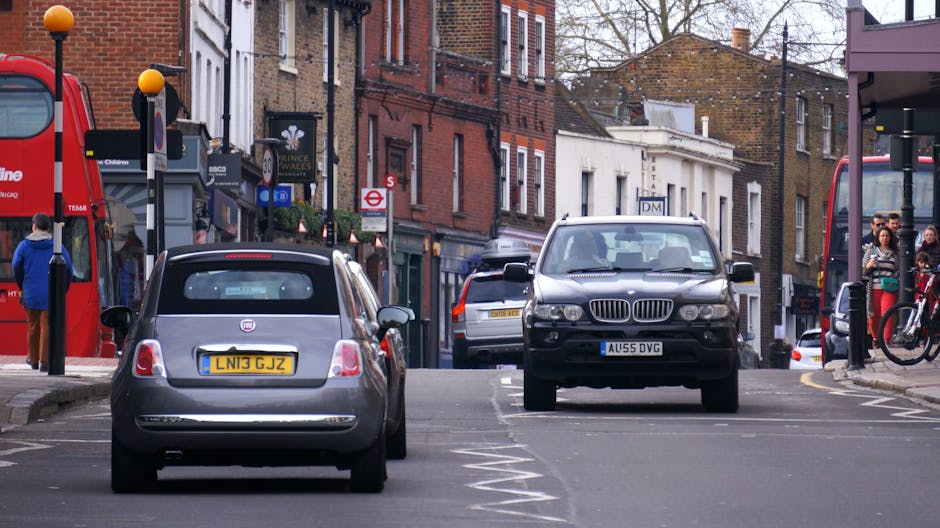
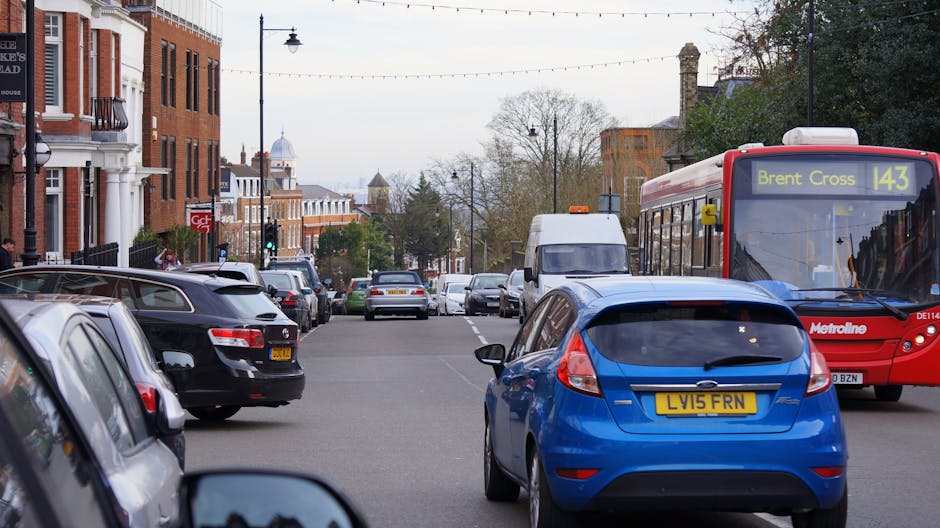
In Wanstead, you also need to think about a fairly typical East London mix: narrower residential roads, busy school-run periods, limited kerb space, and streets where one badly placed vehicle can cause friction fast. If you are moving from a flat, a terraced house, or a property with no private driveway, parking becomes part of the moving strategy, not an afterthought.
There is another reason this matters. Fines can be avoidable. That is the frustrating part. A lot of moving-day penalties happen because people assume "it will probably be fine for ten minutes." Often it is not. A quick, tidy setup at the start of the day usually saves money, stress, and that horrible sinking feeling when you return to the van and spot a yellow envelope.
How How to avoid parking fines during a Wanstead move Works
At a practical level, avoiding parking fines during a move means matching your parking plan to the street conditions, the vehicle size, and the time of day. You are trying to do three things at once:
- park legally, or as close to legally as the circumstances allow;
- keep the loading distance short enough that the move stays efficient;
- avoid creating a blockage, complaint, or hazard.
That sounds straightforward, but the details matter. For example, a street might allow loading for a limited time in certain conditions, but not in others. A bay might be shared, restricted, or time-bound. A double yellow line is not a place to guess your luck. And if your mover is using a larger van, a space that looks available at 7:30 in the morning may be gone by 8:15.
The process usually works best when you plan in layers. First, confirm whether your new or old address has resident-only rules, bay restrictions, or permit requirements. Then decide whether the van should stop directly outside, slightly further along the road, or in an alternative legal spot nearby. Finally, organise the unloading sequence so the items needed first come out first. That is where a guide like streamlining your house move really helps, because parking and logistics are closely linked.
Small detail, big effect.
Key Benefits and Practical Advantages
Getting the parking plan right does more than dodge fines. It makes the whole move smoother, calmer, and usually quicker. That matters when you are carrying furniture, trying to keep children or pets out of the way, or just wanting the day to end without a headache.
- Lower risk of penalty charges: obvious, but worth saying. One wrong stop can cost more than a careful bit of preparation.
- Faster loading and unloading: shorter carry distances mean less time on the pavement and fewer trips.
- Less physical strain: when the van is placed sensibly, the heavy lifting is more manageable. If you are moving awkward items, a good lifting plan matters; our article on kinetic lifting explains the basics in plain English.
- Better neighbour relations: no one enjoys a van blocking a driveway or idling in the middle of a narrow road.
- Fewer last-minute surprises: a parking plan helps the day feel controlled, even if the boxes are not.
There is also a quieter benefit: confidence. Once you know where the van is going, who is checking the route, and what to do if the nearest space is unavailable, the move becomes less chaotic. You start making decisions, instead of reacting to them. That shift alone can change the whole tone of moving day.
Who This Is For and When It Makes Sense
This advice is useful for anyone moving in or out of Wanstead, but some people need it more than others.
- Flat movers: especially if the property is on a busy road, near a parade of shops, or in a block with limited access.
- Families moving house: because you often have more boxes, more furniture, and less patience for parking drama.
- Students and sharers: if you are using a van for the first time, the parking rules can be easy to misunderstand. If that sounds familiar, our student removals in Wanstead page may be a useful next step.
- Office or small business moves: where timing matters and you cannot afford repeated loading delays.
- Anyone using a man and van or self-managed move: because you are often making the parking decisions yourself.
It also makes sense whenever the move involves bulky items. If you are handling sofas, wardrobes, beds, or anything awkward, your parking choice affects how far those items need to travel. That is one reason services such as furniture removals in Wanstead can be a smart option for certain moves. Less shuffling. Less carrying. Fewer chances to make a rushed mistake.
Truth be told, the bigger the items, the more parking matters.
Step-by-Step Guidance
Here is a practical way to handle parking on moving day without overcomplicating it.
1. Check the street rules before moving day
Look at both the old and new addresses. Pay attention to resident bays, loading restrictions, single or double yellow lines, permit zones, school streets, and any time-based controls. Do this early, not the night before, because if a plan needs changing, you want time to change it.
2. Measure the access, not just the address
People often say, "The van can park outside." Can it, though? Is the road narrow? Are there cars usually parked along both sides? Is there room to open doors fully? A moving van needs more space than a normal car, and even a small van may struggle on a tight street if there is poor visibility or a bend nearby.
3. Decide who is responsible for parking
One person should be in charge of this. Not everyone. One person. That avoids confusion when the van arrives and two people are shouting half-contradictory suggestions from different pavements. A single point of responsibility keeps the day calmer.
4. Build a loading plan around the parking spot
If the van is likely to be a short walk away, load the most useful items last so they can be unloaded first at the new property. The same idea applies in reverse when leaving your old home. A sensible packing order can reduce the number of heavy back-and-forth trips; our smart packing tips article is a good companion read.
5. Use legal waiting or loading time carefully
Some areas allow loading under certain conditions, but these are often time-sensitive and context-specific. Do not assume a short stop is automatically fine. Keep the unload efficient, and if the job is going to take longer, have a backup plan ready.
6. Keep proof and communication handy
If a permit has been arranged, keep confirmation accessible. If the mover needs to identify the vehicle quickly, make sure the reg number is shared in advance. That small admin step can save a surprising amount of time. It is not glamorous, but it works.
7. Leave room for the unexpected
A neighbour's car may block the space. A delivery van may arrive. The street may be busier than expected. Leave a little flexibility in the schedule so you are not forced into a risky parking decision just because the clock is ticking.
Expert Tips for Better Results
There are a few moving-day habits that quietly reduce parking trouble.
- Arrive earlier than you think you need to: parking is much easier before the morning rush.
- Walk the route first: a 60-second walk from the van space to the front door can show up awkward steps, narrow gates, or a muddy path.
- Use a smaller van if the street is tight: a compact vehicle can sometimes save more time than a larger one, even if it means an extra trip.
- Protect doorways and furniture before loading: faster handling means less temptation to park illegally just to save a minute. For fragile items, proper prep matters - see moving beds and mattresses with ease and piano moving advice for examples of why planning beats rushing.
- Have a backup spot in mind: not a fantasy spot. A realistic, legal alternative two streets away can be far more useful than hoping for luck outside the front door.
A small practical note from experience: the best moving days often look a little boring from the street. That is a good sign. No drama, no sudden parking scramble, no one half-running with a lamp. Just steady progress.
And if the move is especially full, consider trimming what you take. Fewer items means fewer loading rounds, which means less time exposed to parking risk. The advice in how to streamline your belongings before moving can help there.
Common Mistakes to Avoid
Most parking fines during a move come from predictable mistakes. The good news is that they are mostly avoidable.
- Assuming the road is "fine for a minute": this is how people get caught on restricted bays and yellow lines.
- Ignoring the new address: people often check the departure point but forget the arrival point, which can be just as problematic.
- Parking too far away to save the space: you may think you are being safe, but a long carry can slow everything down and lead to hasty decisions later.
- Not accounting for time of day: a space that is open early may be occupied by midday.
- Letting everyone direct the driver: mixed instructions are surprisingly common on moving day. A little chaos, a lot of unnecessary reversing.
- Forgetting about neighbours' access: blocked driveways and dropped kerbs can create complaints even if you only stopped briefly.
- Trying to solve parking after the van arrives: by then, pressure is already high.
The biggest mistake of all? Leaving it to memory. If you are tired, carrying a box, and juggling keys, memory is not a system. A written plan is.
Tools, Resources and Recommendations
You do not need fancy equipment to avoid fines, but a few practical tools can make a real difference.
- Printed move-day plan: include both addresses, the vehicle details, loading order, and one backup parking option.
- Mobile notes app: useful for quick street observations while you are standing outside the property.
- Tape measure: handy for judging whether large furniture can be brought out efficiently once the van is parked.
- Labels and markers: these reduce loading confusion and speed the turnround.
- Protective blankets and straps: useful for keeping items secure so you are not constantly re-adjusting inside the van.
If you want to reduce the carry distance and overall stress, it may be worth using a professional service rather than improvising with a car and several reluctant friends. The following pages are helpful depending on your move type: man with a van in Wanstead, house removals, flat removals, same-day removals, and removal services in Wanstead.
If you are still comparing options, the broader services overview and pricing and quotes pages can help you weigh convenience against cost. It is not just about price - it is about how much risk and hassle you are removing from the day.
Law, Compliance, Standards, or Best Practice
Parking rules in London are not something to guess at. Even if a street looks quiet, restrictions may still apply. Best practice is to treat every address as if it could have time-based controls, permit zones, or loading limitations until you have checked properly.
As a general rule, you should:
- avoid blocking dropped kerbs, driveways, or access points;
- avoid parking where you may obstruct traffic flow or pedestrian access;
- follow any loading or waiting restrictions shown on street signs and markings;
- make sure any permit or dispensation arrangement is arranged before the move if one is needed;
- allow enough time to complete loading without rushing into an unsafe or unlawful stop.
For movers, best practice is also a safety issue. The more awkward the parking, the more likely someone will carry a heavy item too far, twist awkwardly, or rush through a doorway. That is why good planning and good lifting go together. If you want a practical reminder of safe handling, the article on lifting heavy objects alone is worth a look, though for anything especially large, having proper help is still the smarter choice.
When in doubt, choose the safer, more conservative option. A slightly longer carry is far better than a fine or a risk to people and property.
Options, Methods, or Comparison Table
There is no single parking method that works for every Wanstead move. The right choice depends on your street, property type, and how much you are moving. Here is a simple comparison.
| Approach | Best for | Pros | Watch-outs |
|---|---|---|---|
| Park directly outside | Wide streets, low traffic, short moves | Fast loading, easiest access, less carrying | May not be available; highest risk if restrictions are missed |
| Park a short distance away | Residential streets with limited kerb space | Often easier to find a legal space | Longer carries, more trips, more fatigue |
| Use a booked permit or arranged loading space | Formal moves, busy roads, time-sensitive jobs | More predictable and lower stress | Needs advance planning and correct setup |
| Use a smaller van and multiple trips | Tight streets or single-item moves | More manoeuvrable, sometimes easier to place legally | Can take longer if the load is large |
For many Wanstead moves, the best answer is a hybrid: use the closest legal space available, load in a structured order, and keep a backup plan ready. That combination is often more effective than trying to force one perfect solution.
Case Study or Real-World Example
Picture a typical Saturday morning move from a first-floor flat in Wanstead. The road has parked cars on both sides, the pavement is narrow, and the weather is dry but a bit breezy - one of those mornings where boxes seem to get heavier for no clear reason.
The movers arrive early and check the street first. The original plan was to park directly outside, but the space is gone. Instead of circling and hoping, they use a legal spot just around the corner, which adds a short carry but avoids any temptation to stop in a restricted bay. The person in charge of parking keeps watch while the rest of the team starts with the larger furniture. Mattresses, boxed kitchenware, and a couple of awkward chairs are loaded in a sensible order so the arrival at the new place runs smoothly.
Nothing dramatic happens. Which is exactly the point.
Because the team had a backup space, the move stayed calm. Because boxes were labelled, they knew what needed to come out first. Because they were not fighting a parking ticket, nobody had to waste ten minutes squinting at a notice while carrying a mirror and muttering under their breath. It sounds minor, but that sort of calm day is usually the result of very ordinary preparation.
If the move had involved bulky furniture, the same logic would have applied with even more force. In those cases, using a specialist service such as removals in Wanstead or a van-based service with proper planning can take a lot of pressure off the day.
Practical Checklist
Use this checklist the day before and again before the van arrives.
- Check both addresses for parking restrictions.
- Confirm whether permits, loading bays, or time limits apply.
- Measure access around the front door, gates, and kerb.
- Choose one person to manage parking and loading direction.
- Prepare a backup parking spot nearby.
- Share the van registration and arrival time with everyone involved.
- Pack first-use items so they can be unloaded quickly.
- Label heavier or fragile boxes clearly.
- Keep pathways clear to reduce carry time.
- Have contact details and move documents accessible.
- Avoid stopping in a place that forces risky lifting or unsafe manoeuvres.
Expert summary: if you want to avoid fines, treat parking as part of the move plan, not a side issue. Check the street, keep a backup option, and load efficiently enough that the van is never left guessing. That simple discipline saves money and makes the day feel a lot less frantic.
If you are planning a move in Wanstead and want help reducing the stress around parking, access, and lifting, take a look at the relevant service pages and choose the support level that fits your property and timeline. A little preparation now can save a lot of frustration later.
Get a free quote today and see how much you can save.
Conclusion
Parking fines during a move are rarely about bad luck. More often, they come from rushed decisions, assumptions, or leaving the parking plan until the last minute. Once you think about the street, the vehicle, the loading time, and the route into the property, the risk drops sharply. In a place like Wanstead, where access can be tight and streets can fill quickly, that careful approach pays off.
The practical answer to how to avoid parking fines during a Wanstead move is simple enough: plan early, check the restrictions, assign responsibility, and keep a backup ready. Do that, and the move starts to feel less like a scramble and more like a job you can actually get through without the extra expense. And honestly, that is a pretty good feeling at the end of a long day.
One last thing: a calm move is usually a smarter move. Even if it takes a bit more thought upfront, it tends to leave you with less stress, less carrying, and no nasty surprise in the post.