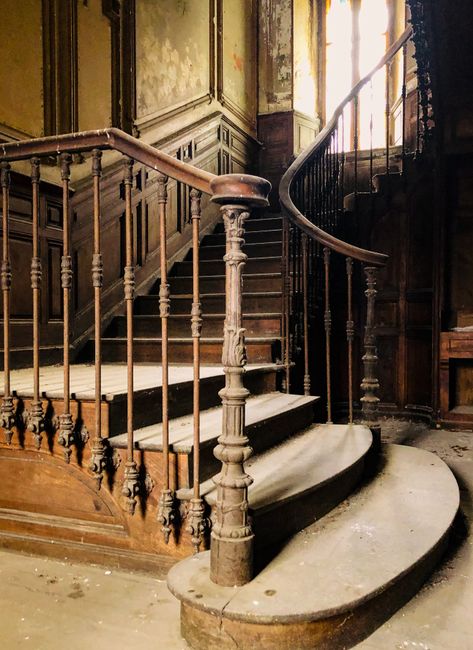
Staircase challenges in Wanstead Victorian homes
Posted on 18/06/2026
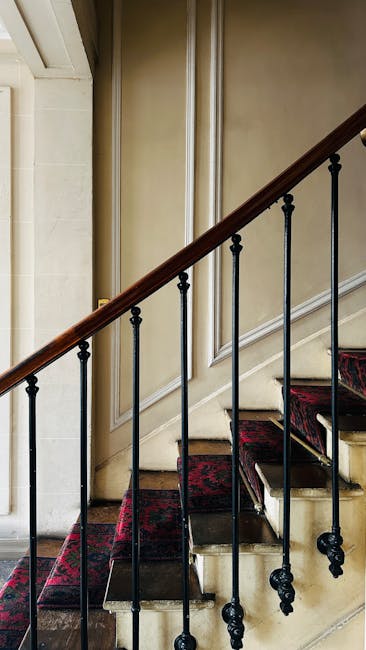
Wanstead's Victorian houses have a lot going for them: high ceilings, original details, proper proportions, and that slightly old-fashioned charm that makes a place feel like a home rather than a box. But anyone who has tried to move a sofa, a bed frame, or a piano up one of those staircases knows the other side of the story. Tight turns, narrow landings, awkward banisters, and staircases that were clearly built for people, not furniture. That is the real puzzle behind Staircase challenges in Wanstead Victorian homes.
If you are preparing for a move, planning a refurbishment, or just trying to understand why a perfectly normal item suddenly looks impossible at the first-floor bend, this guide walks through the practical side of the problem. We will cover what makes these staircases difficult, how movers deal with them, what you can do before moving day, and when it is sensible to call in help rather than improvising with a few mates and a lot of optimism.
Truth be told, the staircase is often where a move gets decided. Everything else may look manageable until the wardrobe reaches the bottom step.
Why Staircase challenges in Wanstead Victorian homes Matters
These staircases matter because they shape almost every moving decision inside the property. Victorian layouts in Wanstead often feature steep stairs, enclosed hallways, and turns that are less forgiving than modern builds. That affects furniture movement, appliance access, packing strategy, and even what you choose to keep.
It also affects timing. A straightforward move can become slower once large items need careful rotation, extra padding, or a pause at the landing to reset grip and direction. That delay is not just inconvenient; it can increase fatigue, raise the chance of knocks and scrapes, and make everyone a bit more frazzled by lunchtime.
And let's face it, a staircase in a period home is usually doing more than one job. It is not just a route between floors. It is a bottleneck, a balancing act, and occasionally a test of patience.
For Wanstead residents, this becomes especially relevant in homes that have kept their original character. The charm is real. So is the head-scratching when a mattress meets a narrow stairwell at an angle that simply refuses to cooperate.
If you are also planning the rest of the move, it can help to read about broader organisation first, such as how to streamline a house move and streamlining belongings before moving. The better the prep, the less the staircase becomes a problem later on.
How Staircase challenges in Wanstead Victorian homes Works
At a basic level, the difficulty comes from geometry and weight distribution. Furniture is often longer, wider, or heavier than the staircase was designed to handle comfortably. The item may fit in theory, but the real test is whether it can be turned, lifted, and guided through the stairwell without stress on the object, the walls, or the people carrying it.
Three things usually create the biggest issues:
- Clearance - the space between the item and the wall, banister, or ceiling.
- Turning radius - especially on landings and tight corners.
- Weight balance - how awkward the item feels when tilted, pivoted, or carried above waist height.
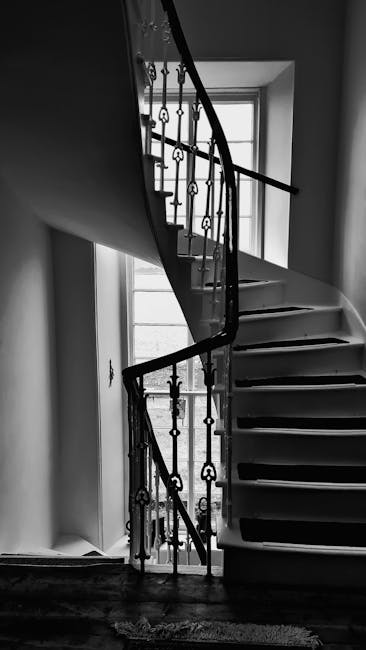
Victorian staircases also tend to have characterful quirks. Some are steeper than they first appear. Some have narrow treads. Others have turning landings that force a piece of furniture to be lifted almost vertically for a moment. That is the bit where experience matters most, because what looks like a simple carry can suddenly need a controlled pivot and a bit of breathing space.
In practical terms, movers usually assess the staircase before moving the item. They measure width, note the shape of the landing, check for obstacles such as light fittings or radiator rails, and decide whether the item should go up, down, or perhaps not at all. If a sofa is too bulky, for example, it may be safer to remove cushions, wrap corners, and use a two-person carry with a controlled tilt. With especially awkward pieces, planning becomes more important than brute force. Always.
If the item is unusually heavy or delicate, specialist guidance helps. For example, the approach used for a piano is not the same as the one used for a bed frame. If you want a deeper look at lifting technique, the articles on kinetic lifting and why piano moving should not be a solo job are useful companions.
Key Benefits and Practical Advantages
There is a strange kind of benefit in understanding staircase constraints early: it saves time, reduces stress, and often saves money too. Not by magic. By avoiding the sort of last-minute complications that force rushed decisions.
Here are the main practical advantages of planning around Victorian staircases properly:
- Less risk of damage to plasterwork, bannisters, skirting, and painted walls.
- Lower risk of injury for anyone carrying items up or down steps.
- Faster move day flow because access problems are solved before the van arrives.
- Better packing choices because items can be broken down or protected in advance.
- Smarter use of storage when something genuinely will not fit cleanly.
There is also a quieter benefit: confidence. Once you know the staircase is the main obstacle, you stop blaming yourself when a wardrobe will not make the turn. The issue is the layout, not you. That matters more than people admit.
A well-planned move can also help protect your belongings during transit. Good wrapping, clear labelling, and sensible sequencing all matter. If that side of the process is still a bit fuzzy, smart packing hacks and bed and mattress moving advice are strong places to start.
Who This Is For and When It Makes Sense
This topic is relevant for more people than you might think. It is not only for house movers carrying huge furniture. In Wanstead, staircase planning matters for homeowners, tenants, landlords, buyers, sellers, and anyone updating a period property.
You will especially benefit from thinking this through if you are:
- moving into or out of a Victorian terrace or semi-detached home
- upgrading furniture in a home with tight internal access
- handling fragile, heavy, or oversized items
- trying to avoid wall scuffs and stair damage in a well-kept property
- working to a tight moving schedule and want fewer surprises
It makes sense to take it seriously before moving day rather than after the first failed attempt. Once an item is halfway up the stairs, everyone starts making hurried decisions. That is rarely the best moment to improvise.
Students and renters in nearby period conversions may also run into the same issues, just on a smaller scale. A single sofa bed or wardrobe can be enough to turn a simple move into a very awkward puzzle. If that sounds familiar, student removals support in Wanstead is worth understanding in the broader moving context.
Step-by-Step Guidance
Here is a practical way to approach staircase problems without overcomplicating things.
- Measure the access route.
Check stair width, landing size, ceiling height, banister projection, and doorway clearances. Do not guess. Tape measure out, even if it feels a bit fussy. - Identify the awkward items first.
Anything large, rigid, heavy, or breakable gets flagged early. Sofas, wardrobes, bed bases, mattresses, bookcases, pianos, and appliances should be reviewed before packing day. - Decide what should be dismantled.
Remove legs, shelves, doors, headboards, and loose fittings where possible. A flat-pack-looking item is often much easier to move than a fully assembled one. - Protect the staircase itself.
Use corner guards, blankets, and protective covering where appropriate. Even careful moves can nick paintwork if the route is tight. - Choose the carry method.
Some items need two people, a tilt, or a vertical pivot. Others should stay horizontal at all costs. The right method depends on the object, not just the number of hands available. - Stage items in the right order.
Move easier pieces first, then the awkward ones once the route is clear. This reduces clutter on the landing and keeps exits open. - Pause before forcing anything.
When an item does not fit, stop and reassess. Forcing it is how walls get scraped and tempers flare.
A small but useful tip: if you are moving multiple rooms, schedule the staircase-heavy items early in the day while everyone is still fresh. Carrying a mattress at 5 p.m. after a long day is a different game altogether.
Expert Tips for Better Results
The best staircase moves are rarely the strongest ones. They are the most controlled ones.
These practical tips tend to make the biggest difference:
- Use the landing as a reset point. A landing is not just a pause; it is a chance to change angle, grip, or direction safely.
- Keep communication short and clear. Phrases like "lift," "hold," "pivot," and "down" work better than long instructions shouted over the top of a wardrobe.
- Wear proper shoes. Trainers or flat, grippy shoes are far better than sliders or anything with a slick sole.
- Protect corners before they become a problem. Most stair damage happens at the sharpest point of the turn.
- Do not overload one person. If the carry feels too much for one mover, it usually is. That is not weakness; that is common sense.
In our experience, the biggest improvement often comes from simply taking five extra minutes to look at the route properly. People want to start lifting straight away. Fair enough. But the five-minute pause can prevent a fifty-minute headache.
And if bulky furniture is part of the equation, you may want to think about wider handling strategy too. Useful background reading includes furniture removals in Wanstead and protecting sofas during storage when storage is part of the plan.
Common Mistakes to Avoid
Most staircase mishaps are predictable. That is the frustrating part, really. They are rarely dramatic accidents; they are usually the result of a few small misjudgements stacking up.
- Assuming the item will "just fit." Many things fit on paper and fail at the landing.
- Not checking the route in advance. The first time you look is not the time to discover the banister blocks the turn.
- Trying to carry too much at once. A second box in one hand can make balance worse, not better.
- Skipping protective materials. A blanket is cheaper than a repair.
- Forcing a pivot under pressure. This is where items get chipped and people get annoyed.
- Leaving clutter on the stairs. Shoes, bags, tools, and cardboard are trip hazards, plain and simple.
There is also a psychological mistake: underestimating the staircase because the room itself looks spacious. A large front room can hide a surprisingly restrictive access path. Victorian homes do that. They are full of little contradictions like that.
If you need to clear space quickly, it can help to look at storage or decluttering options too, especially if you are also sorting bulky waste. The guide on dealing with bulky waste in Wanstead can support the wider planning process.
Tools, Resources and Recommendations
You do not need a van full of specialist gear to manage a Victorian staircase well, but the right basics make a huge difference.
Useful items often include:
- moving blankets or furniture pads
- sturdy gloves with grip
- ratchet straps or soft ties for secure handling
- corner protectors
- tape, labels, and marker pens for organised packing
- basic tools for dismantling furniture safely
- measuring tape for route checks
For the planning side, a printed room list and a rough access plan can be surprisingly effective. A lot of people rely on memory and then wonder why the dining table appears to have gained three inches on the stairs.
Where the move involves fragile or difficult pieces, specialist support is worth considering. The guidance on lifting heavy objects alone explains why solo lifting is not always wise, while kinetic lifting basics can help you understand body mechanics, though for any serious move, assistance is the safer choice.
If you need practical moving help more broadly, these service pages are relevant starting points: removals in Wanstead, man and van support, house removals, and storage in Wanstead when the stairs decide that one item needs to wait its turn.
Law, Compliance, Standards, or Best Practice
For most readers, the main concern is not a legal rule about staircases themselves. It is safer working practice, property care, and responsible handling of goods. In the UK, the broad expectation is that moving should be carried out in a way that avoids unnecessary risk to people and property. That means sensible lifting, proper staffing, and appropriate insurance cover where a professional service is involved.
Best practice in a Victorian home usually includes:
- carrying only what can be moved safely
- using two-person handling for bulky or awkward items where needed
- protecting surfaces before the move begins
- keeping access routes clear
- checking whether an item should be dismantled or stored instead of forcing it through
If you are hiring movers, it is sensible to ask about safety procedures, insurance, and how they handle difficult access. That is not being awkward. It is being careful. A professional team should be able to explain how they approach tight staircases, fragile items, and accidental damage prevention in plain English.
It is also worth checking the company's wider standards and policies. Pages such as health and safety policy, insurance and safety information, and terms and conditions can help you understand what a service includes and what you should expect.
Options, Methods, or Comparison Table
There is usually more than one way to solve a staircase challenge. The right method depends on the item, the route, and how much risk you want to take on. Here is a simple comparison.
| Approach | Best for | Pros | Limitations |
|---|---|---|---|
| Two-person manual carry | Moderate furniture and boxed items | Flexible, quick, cost-effective | Still risky for heavy or bulky pieces |
| Dismantling before moving | Wardrobes, beds, shelving, large tables | Makes tight turns easier, reduces snagging | Takes time and may need tools |
| Professional removal team | Large, fragile, or awkward items | Experienced handling, better risk control | Usually costs more than doing it yourself |
| Temporary storage first | Items that do not suit the staircase or timing | Reduces pressure on move day | Adds an extra step and potential storage cost |
For many Wanstead moves, the smartest option is a blend: dismantle what you can, wrap what you should, and leave the really awkward items to a team that has done this sort of thing before. That sounds simple because, well, it is. The hard part is being honest about the size of the job.
Case Study or Real-World Example
Imagine a typical Wanstead Victorian terrace with a narrow staircase and a first-floor landing that turns sharply left. The owners are moving a sofa, a double bed, a chest of drawers, and a tall wardrobe. At first glance, the sofa seems the biggest concern. In practice, the wardrobe becomes the issue because its depth makes the turn awkward.
The sensible approach is not to start with brute strength. First, the movers measure the route and remove the wardrobe doors. Next, they wrap the edges and shift smaller items to create room on the landing. Then they move the bed base and mattress separately, since a mattress is easier to angle than a rigid frame. The sofa is last, because once the staircase is clear, there is more space to tilt and pivot it safely.
There is a small but important detail here: nobody rushes the turning point. They stop, reset the grip, and then continue. That pause, maybe only ten seconds long, is the difference between a clean move and a scuffed wall. You can almost hear the difference. One is quiet and controlled. The other is that horrible scrape nobody wants to own.
This kind of planning is exactly why local knowledge matters. If you are moving around Wanstead's older streets and period homes, the right approach is often less about force and more about sequence, timing, and a calm head.
Practical Checklist
Before moving day, run through this checklist. It keeps the staircase issue from becoming a last-minute surprise.
- Measure staircase width, landings, and key turns.
- Check whether large furniture can be dismantled.
- Identify fragile walls, banisters, and corners that need protection.
- Pack and label items so the heaviest pieces are not left for the end.
- Clear the stairs of clutter, shoes, tools, and loose boxes.
- Confirm who will carry which items and in what order.
- Set aside blankets, straps, gloves, and tools before the move starts.
- Decide in advance which items may need storage or professional help.
- Review parking and access arrangements if the move involves a van outside.
- Keep water, snacks, and a phone charger nearby. Honestly, it helps more than you think.
If you want to get the rest of the move in shape too, the advice on cleaning before moving and avoiding parking fines during a Wanstead move fits neatly alongside staircase planning.
Conclusion
Staircase challenges in Wanstead Victorian homes are not a side issue. They are often the main event. The good news is that they are manageable with sensible preparation, realistic expectations, and a bit of practical know-how. Measure first, dismantle where you can, protect the route, and do not force awkward items through a space that was never meant for them in the first place.
For many people, that is enough to turn a stressful moving day into a steady, orderly process. For others, especially where heavy, fragile, or expensive pieces are involved, bringing in help is the calmer choice. There is no prize for doing it the hardest way possible.
And if you are still weighing up your next step, remember this: a good move usually feels uneventful. That is the goal. Quiet steps, safe hands, no drama.
Get a free quote today and see how much you can save.
Sometimes the best part of a move is the moment the last awkward item finally clears the stairs and the house can breathe again.